Honeymoon Places in Pakistan by Season: The Best Destinations and Where to Stay
Honeymoon places in Pakistan for every season: spring blossom, summer valleys, autumn gold, winter snow or sea. Where to base yourselves and how to book.
Most lists of the best honeymoon destinations in Pakistan give the same ten places in no order. In practice, the right choice depends on the month you can travel. A valley that is perfect in May can be cut off by snow in December. A beach that is pleasant in January is far too hot in June.
How to choose: start with your wedding month
This guide is organised by season. For each place you'll find why couples like it, the best months, how people usually get there, which town to stay in, and what to check before you book a room.
Many weddings in Pakistan happen in the cooler months, so a lot of couples end up planning a winter honeymoon. Before you fall for a photo, ask yourselves three questions:
1. Is the road or flight reliable in that month? Some northern passes close for half the year, and mountain flights depend on the weather.
2. How much travel time do you want? After a week of wedding events, a short drive to the hills may suit you better than a long road to Hunza.
3. Do you want snow, greenery, blossom or the sea? Each one has its own season.
If you are flexible on dates, our best time to visit Pakistan guide gives you the month-by-month picture.
Spring (mid-March to April): blossom in Hunza and Skardu
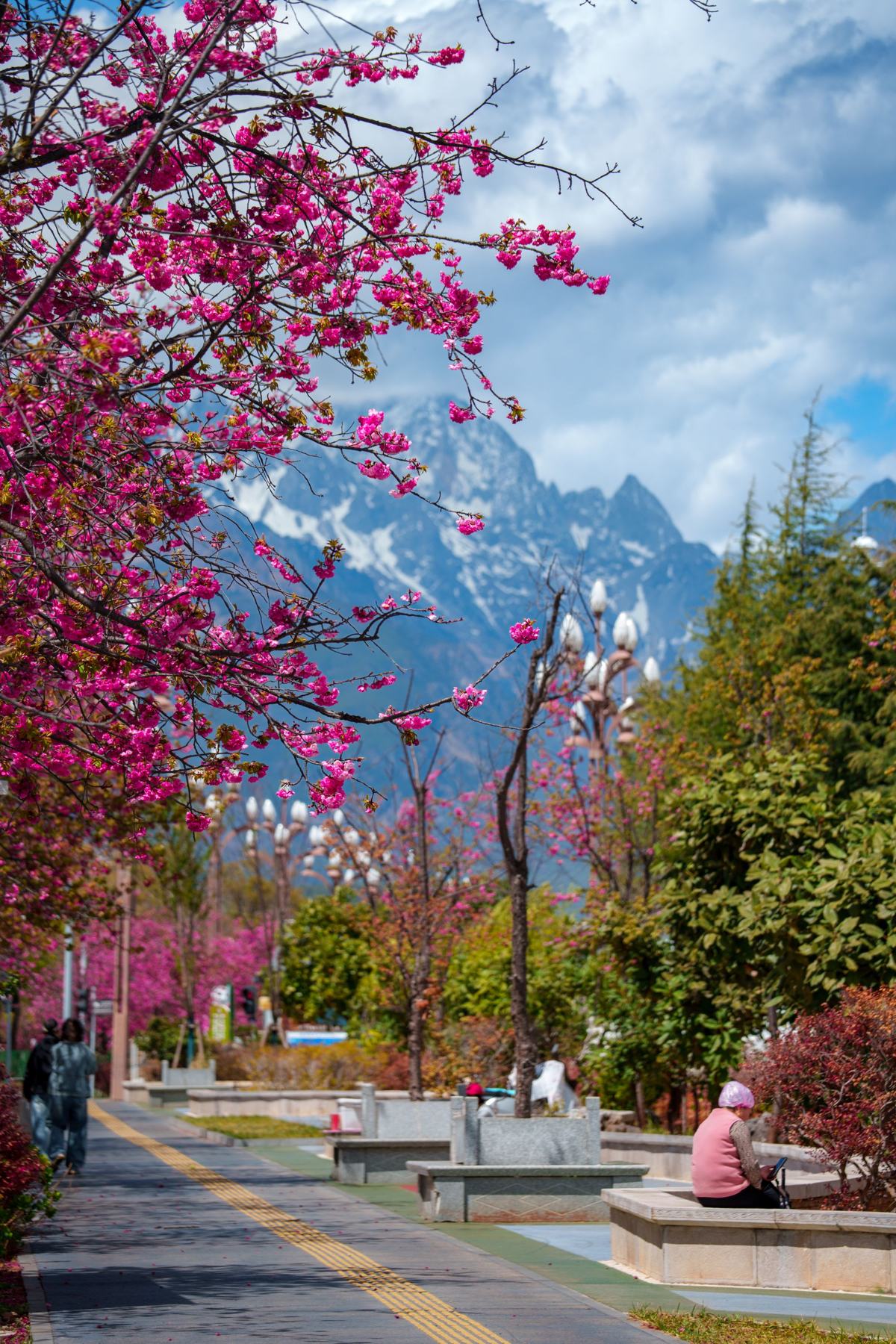
Spring in Gilgit-Baltistan is one of the most romantic times to be in Pakistan. Cherry and apricot orchards come into flower against snow-capped peaks, the days are mild and the summer crowds have not yet arrived.
Hunza: Why couples like it: orchards in bloom, old stone villages, and views across the valley to the high peaks.
Best months: the cherry blossom season usually runs from mid-March to mid-April. Higher villages bloom a little later than lower ones, and south-facing slopes bloom earlier.
Getting there: most couples fly from Islamabad to Gilgit and drive up the Karakoram Highway, or drive the whole way. Flights to the north depend on the weather and can be cancelled at short notice, so leave a spare day at each end of the trip.
Where to base yourselves: Karimabad and the Aliabad area put you close to the main viewpoints. Quieter villages further up the valley suit couples who want peace more than convenience. Our Hunza area guide explains the choice in more detail.
Skardu, Shigar and Khaplu: Why couples like it: wide valleys, lakes, sand dunes and orchards in a landscape that feels very different from Hunza.
Best months: blossom usually peaks here a little later than in Hunza, around mid to late April.
Getting there: flights from Islamabad to Skardu when the weather allows, or a long road journey.
Where to base yourselves: Skardu town is the most practical base for day trips. Shigar and Khaplu are quieter and slower. If you want something special for a few nights, our guide to heritage stays in Khaplu, Shigar and Altit covers the restored forts and palaces that have been turned into places to stay. See also Skardu.
Summer (late May to September): the high valleys
Summer is the busiest season in the north, so book early, especially around Eid and school holidays.
Naran and the Kaghan Valley: Why couples like it: rivers, alpine lakes and cool evenings within a day's drive of Islamabad and Lahore.
Best months: early summer to early autumn. The road over Babusar Top, which links Kaghan to Gilgit-Baltistan, is usually open only from about late June to October. Snow closes it for the rest of the year.
Where to base yourselves: Naran town is busy and close to everything. If you want quieter evenings, look slightly outside the main bazaar. Our Naran vs Kalam comparison will help if you are deciding between the two.
Neelum Valley: Why couples like it: green forested slopes, a fast blue river and a feeling of being far from the city.
Best months: roughly May to September, when the valley is green and the weather is pleasant.
Getting there: by road from Muzaffarabad. Keran is about 93 km along the valley and Sharda about 136 km. Arang Kel and Kel lie further up.
Where to base yourselves: Keran and Sharda are the usual bases. Facilities get simpler the further you go up the valley, so check what each place offers before you commit. See Neelum Valley.
Kalam and upper Swat: Why couples like it: pine forests, rivers and meadows, easy to reach from Islamabad on the Swat Expressway.
Best months: summer for the greenery. Upper Swat is also a winter snow destination (see below).
Where to base yourselves: Kalam for the upper valley, or the Mingora area if you want to explore more widely. See Swat.
Autumn (mid-October to mid-November): gold in the north
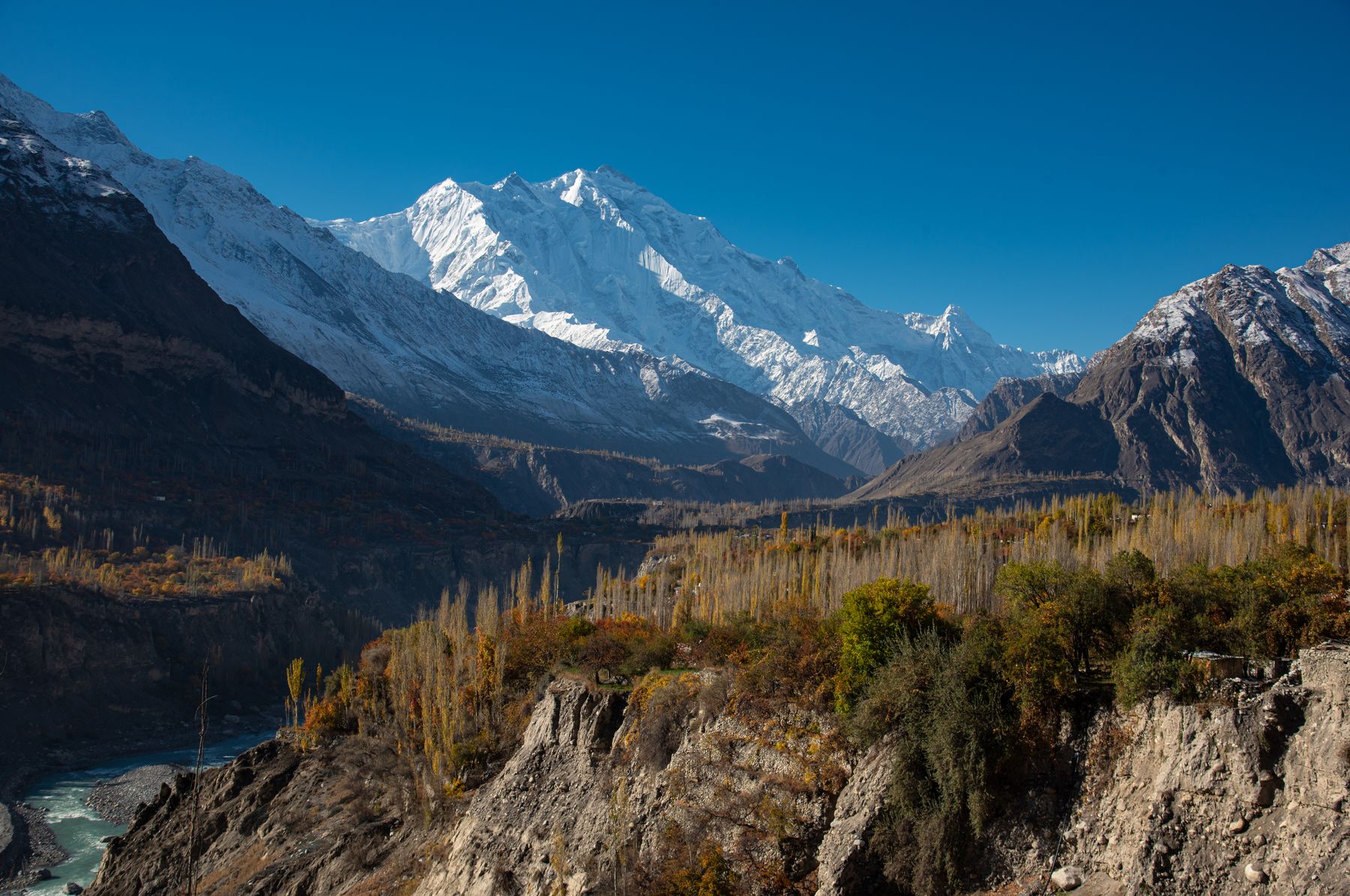
Autumn is the quiet secret of a northern honeymoon. In Hunza, the poplars and orchards turn gold, orange and red from about mid-October to mid-November. The skies are often clear and there are fewer visitors than in summer. Higher valleys in Gilgit-Baltistan, including around Skardu, also change colour, though the timing varies with altitude.
The trade-off is temperature. Nights get cold by November, so heating moves from "nice to have" to essential. Book the same bases as in spring: Karimabad or Aliabad in Hunza, and Skardu town or Shigar in Baltistan.
Winter (December to February): snow or sea
Winter is when many couples actually travel, which is why "honeymoon in December Pakistan" is such a common search. You have two very different choices: snow in the hills or mild sunshine on the coast. For a wider look at the month, see our guide to Pakistan in December.
Malam Jabba and Swat: Why couples like it: proper snow, a ski slope with chairlift rides, and snowy scenery in upper Swat.
Best months: the snow season is usually around December to February. Snowfall varies from year to year, and the ski season has been reported as ending around March.
Getting there: Malam Jabba is about 45 km from Saidu Sharif. From Islamabad the drive is roughly six hours using the Swat Expressway, depending on traffic and road conditions.
Where to base yourselves: stay on the mountain if snow is the whole point of the trip. Stay in the Mingora or Fizagat area if you'd rather have more food and shopping options and drive up for the day. Check road conditions before you set off after heavy snow.
Murree, Bhurban and the Galiyat: Why couples like it: it is the closest snow to Islamabad and Rawalpindi, with pine forests and wide hill views, and it works for couples with only a few days of leave.
Best months: December to February for a chance of snow. Spring and autumn are calmer and very pleasant too.
Important booking note: during heavy snowfall the authorities have closed the roads into Murree and limited entry. In January 2026 they announced that tourists could enter only with a confirmed hotel booking. Book ahead, keep your confirmation on your phone, and follow official traffic updates before you drive.
Where to base yourselves: Mall Road is lively but crowded. Bhurban, Patriata and Nathia Gali are calmer, and many couples prefer them for that reason. Our guide to where to stay around Murree compares each area. See also Murree.
Karachi and the coast: Why couples like it: sunshine and the sea when the north is frozen. Winter is the most comfortable time of year on Pakistan's southern coast.
Best months: roughly November to February. Further along the coast towards Gwadar, the cooler months (about September to March) are usually recommended.
Where to base yourselves: Karachi is the easiest base, with beaches within a day trip (see our guide to beaches near Karachi). The Makran Coastal Highway runs west past Hingol National Park and Kund Malir, and Gwadar is about eight hours' drive from Karachi. Before travelling into Balochistan, check the current security situation and local advice.
What to check before you book a honeymoon room
The listing details matter more on a honeymoon than on any other trip. Before you book, check:
Private, attached bathroom. Most rooms have one, but some guest houses and budget rooms in the mountains share facilities.
Heating and hot water. These are essential from October to March in the north and in the hills. Ask how the room is heated and whether hot water runs all day.
Backup power. Power cuts happen in some areas. Ask whether the property has a generator or solar backup.
The view. If you are paying for a valley or lake view, make sure the room type you book includes it.
Privacy and atmosphere. Large family-friendly hotels are lively at weekends and during holidays. Smaller properties and places away from the main bazaar tend to be quieter.
Road access. In winter, check that cars can reach the property, and whether you'll need to walk the last stretch or arrange a 4x4.
Cancellation terms. Weather can change mountain plans, so flexible rates are worth considering.
Travelling as a couple: culture, ID and practical notes
Pakistan is a conservative country.
Dress modestly, especially in smaller towns and villages. For women, long sleeves and a dupatta or scarf are sensible. Men should avoid shorts away from resorts.
Keep public affection low-key. Holding hands may be fine in some places, but public displays of affection are generally avoided and can draw unwanted attention.
Carry original ID for both of you. Some hotels may ask for ID at check-in, and in Punjab hotels are required to log guests' details in a police system. Pakistani nationals should carry their CNIC. Overseas Pakistanis and foreign nationals should carry their passport, and NICOP if they have one. ID can also be checked at road checkpoints in the north. If you are unsure what a property needs, ask it before you arrive.
Travelling on a foreign passport? Check your own government's travel advice before booking. Some governments advise against travel to parts of Khyber Pakhtunkhwa (including Swat), to Balochistan, and to areas near the Line of Control, and some areas require registration or permits for foreign nationals. Advice can also affect your travel insurance.
Book your base on impt.pk
Once you know your month and your base town, compare places to stay side by side. On impt.pk you can search hotels and guest houses in Hunza, Skardu, Swat, Murree, Neelum Valley and beyond. Check the room details against the list above and book through IMPT. For the busy weeks (spring blossom, summer holidays and snowy weekends in the hills), booking early gives you a much wider choice of rooms with views.
Frequently asked questions
What are the best honeymoon places in Pakistan in winter?
For snow, the usual choices are Malam Jabba and upper Swat, or Murree, Bhurban and Nathia Gali, which are much closer to Islamabad. For mild weather, Karachi and the southern coast are at their most comfortable from roughly November to February. High passes such as Babusar are closed in winter, so most of the far north is a spring, summer or autumn trip.
When is the best time for a honeymoon in Hunza?
For blossom, go from mid-March to mid-April. For autumn colour, go from mid-October to mid-November. Summer is green and busy. Winter is very cold, and many travellers avoid it.
Do we need to show our nikahnama at hotels in Pakistan?
We couldn't find a general rule that requires it. Some hotels may ask for ID at check-in, so carry original ID for both of you: a CNIC, or a passport or NICOP. If you have questions about a particular property's policy, ask it before you arrive.
Is Murree open to tourists during snowfall?
Usually yes, but the authorities can close the roads or limit entry during heavy snow. In January 2026 they allowed tourists in only with a confirmed hotel booking. Book in advance and check official traffic updates before you travel.
Can we fly to Hunza or Skardu for a short honeymoon?
Yes. There are flights from Islamabad to Gilgit (for Hunza) and to Skardu, but they depend on the weather and can be cancelled. Plan a spare day, or choose a closer destination such as the Galiyat if you have only three or four days.
Find a stay in Hunza
Live prices and availability open in the IMPT app, in a new tab.